Adult ballet for beginners
A friendly guide to starting as an adult.
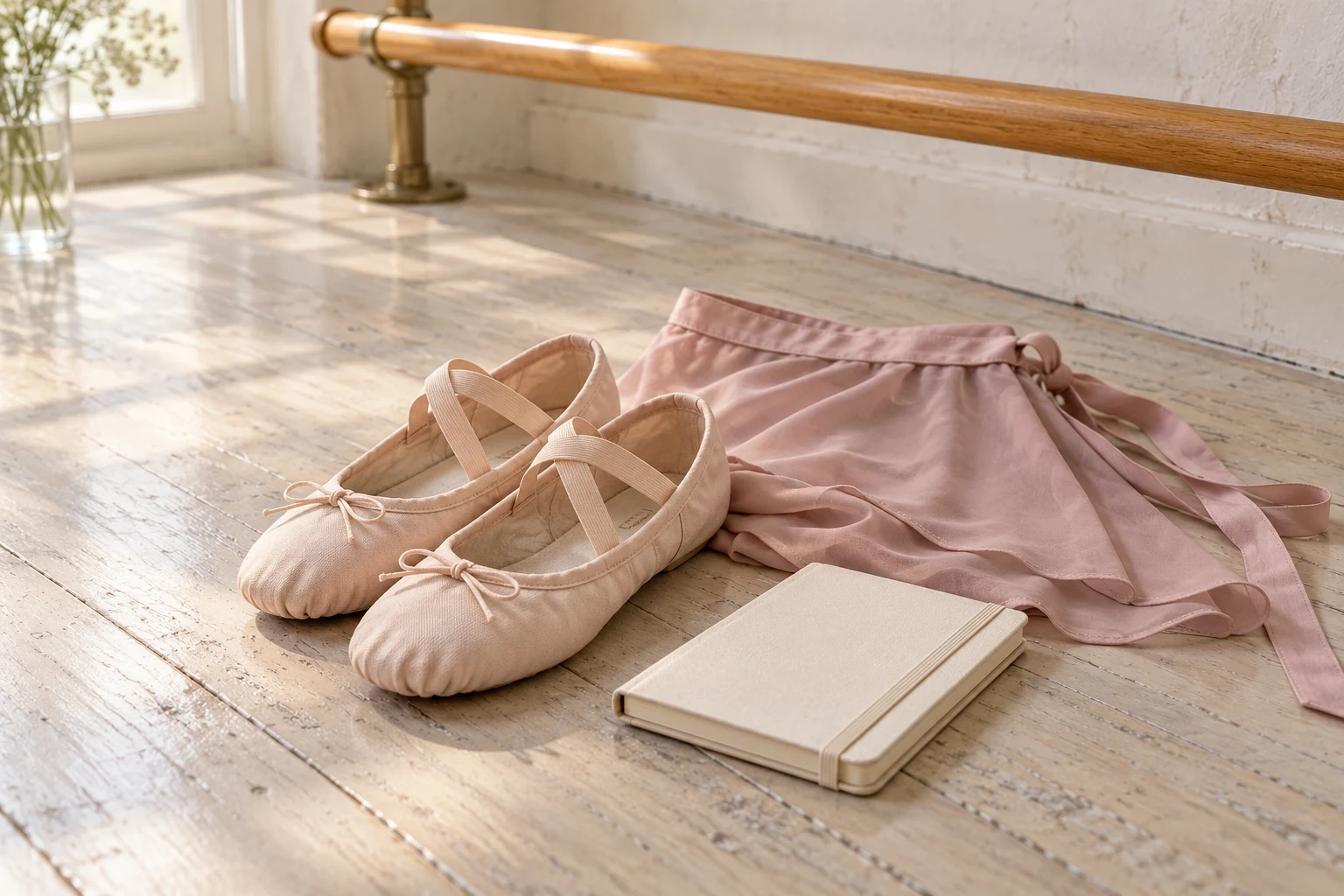
Perhaps you have always loved ballet from a distance. Perhaps you danced as a child and would like to return. Or perhaps the idea is entirely new. You do not need to arrive feeling like a dancer. Curiosity is a lovely place to begin.
An adult beginner class gives you a place to learn the basics, ask questions and discover how ballet feels for you. Here are a few practical things to help make that first visit feel more familiar.
Find a class that starts at the beginning
Look for a class described as “absolute beginners”, “complete beginners” or an introductory adult course. Class labels vary between studios: “open” or “all levels” may include dancers with years of experience.
Before booking, ask: “I’m an adult with no ballet experience. Does this class teach the basics from the beginning?” If you are returning after a long break, mention that too. A clear reply can help you choose a suitable starting point.
Keep what you wear simple
Check the studio’s clothing and footwear guidance before buying anything. For a first class, comfortable clothes that let you move freely are a useful starting point. You do not need a tutu or a full new wardrobe to try ballet.
Some teachers allow socks for an introductory lesson; others ask for soft ballet slippers. Ask what is suitable for their floor. Beginner ballet shoes are soft, flat slippers. Pointe shoes are different and are not footwear for a first beginner class.
Know a little about the room
Many ballet classes begin at the barre, the horizontal rail used for support during exercises. You may then move into the centre of the studio for further exercises or short sequences. The exact structure depends on the teacher and class.
You will hear French names for movements. You do not need to memorise them in advance. Watch, listen and ask when something is unfamiliar. Learning the language of a class is part of taking it.
Give yourself permission to learn
It is normal to watch a step more than once or lose your place in a sequence. Try choosing one small thing to notice: how a movement begins, where your arms go, or how it fits the music.
Let the teacher know that you are new. You can ask them to explain an instruction again or help you find an appropriate version of an exercise. You are there to learn, rather than to prove that you already know how.
Make the first visit easier
Check the address, booking arrangements, class length and changing facilities. Give yourself a little time to arrive and settle in. Bring water and any clothing or footwear the studio has requested.
If walking into a new room feels daunting, a short message beforehand can help: “It’s my first ballet class. Is there anything I should know before I arrive?” You do not need a more elaborate introduction.
Notice how the class feels
Afterwards, think about the experience as well as the steps. Were explanations clear? Could you ask questions? Did you enjoy the music, the concentration or the atmosphere?
One class does not have to settle your whole relationship with ballet. You might want to return, try a different teacher, or explore another style. Each experience gives you something to go on.
You are allowed to begin simply because you would like to. Start with a class, a little curiosity and room to find your own rhythm.
What to read next
All stories ↗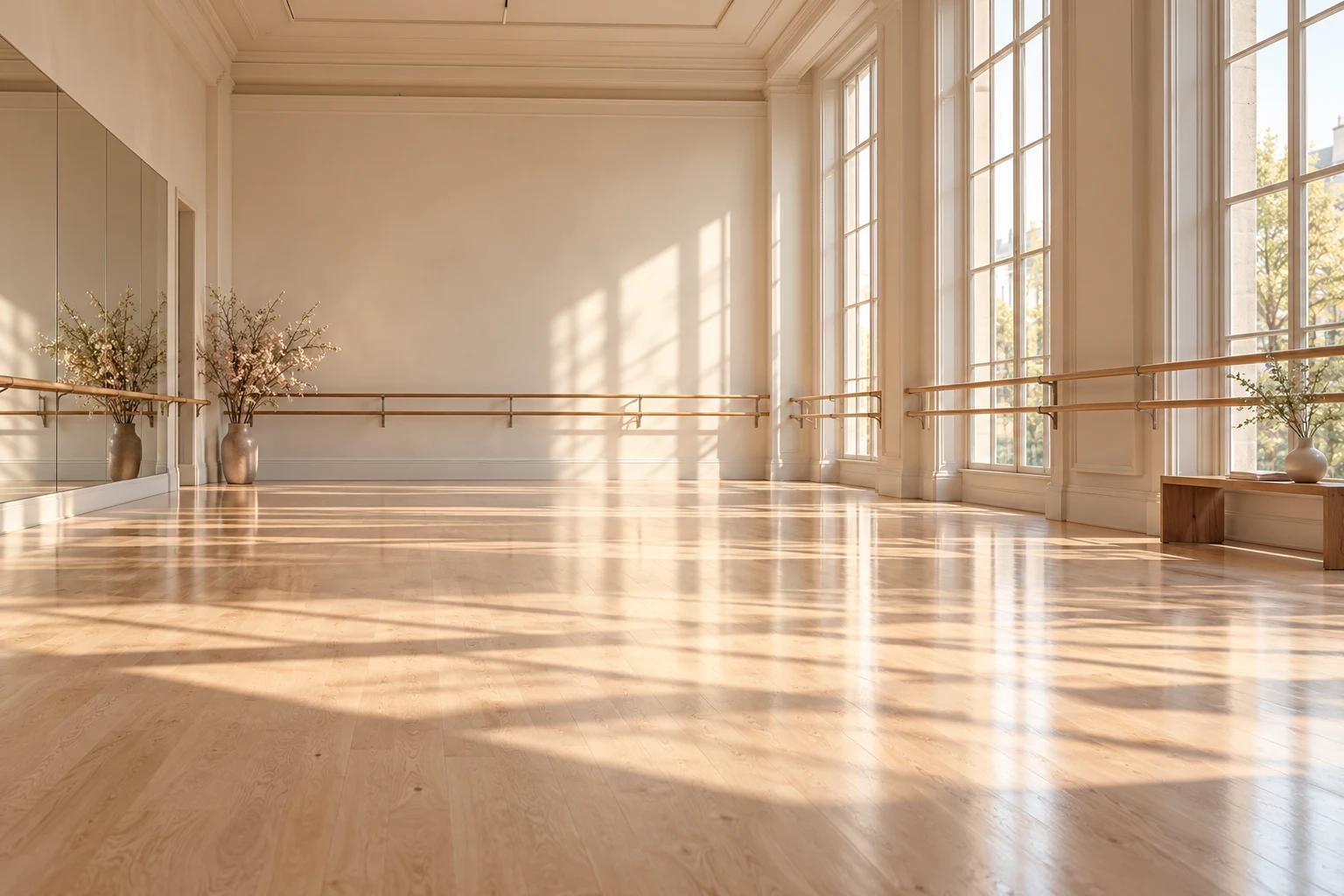
You don’t need to feel ready to start dancing
There is no perfect moment, perfect body or perfect starting point. There is just a first step—and it can be a small one.
Read the storyBallet, jazz or contemporary: where do you begin?
A starting point for the dance-curious. Follow the music, the movement—and the class that meets you where you are.
Read the storyMake room for something that feels like you
Between the practical things and the things you do for everyone else, there can be space for movement, expression and a little joy.
Read the story